
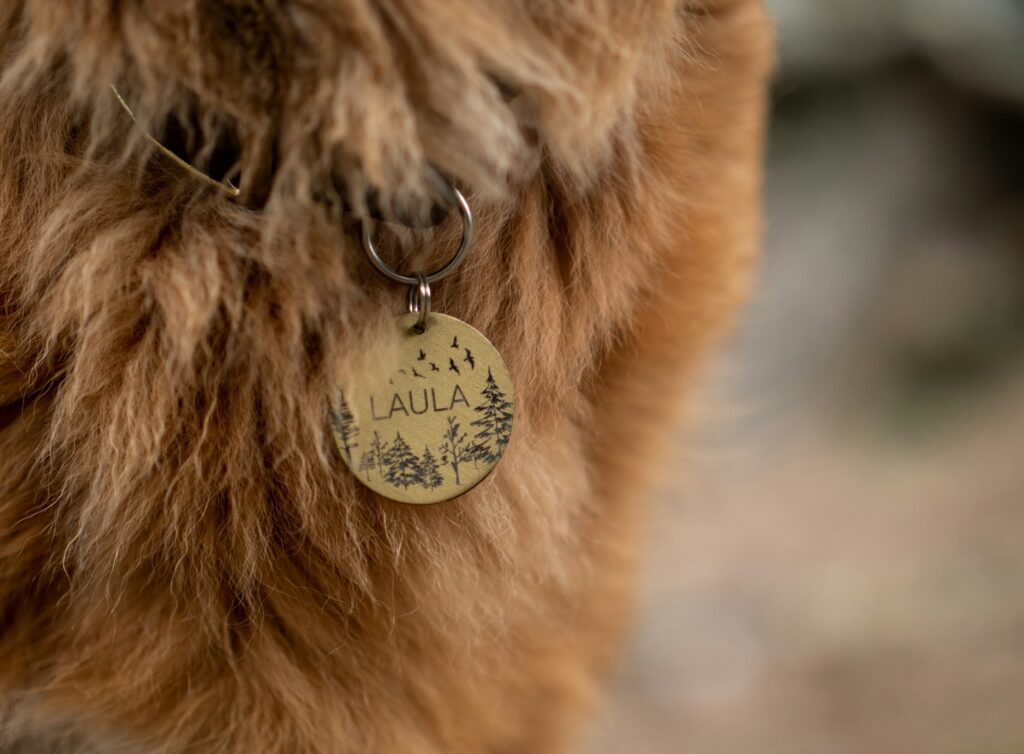
Modern pet accessories are evolving rapidly as technology and design innovation reshape even the simplest identification tools. Today’s dog tags go beyond basic engraving, incorporating advanced materials, digital integration, and customizable finishes that enhance both functionality and style. Many platforms, including https://moodtag.com.au/dog-tag-finishes/, showcase how finishes such as stainless steel, coated metals, and resin designs improve durability while offering a more personalized look. High-quality materials and deep engraving techniques ensure that important information remains clear and long-lasting, even with daily wear. As technology continues to influence design, modern dog tags now combine practicality with aesthetics, making them more reliable and visually appealing than ever. This article explores how innovation is shaping the features of contemporary dog tags.
Integration of QR Codes and Digital Connectivity
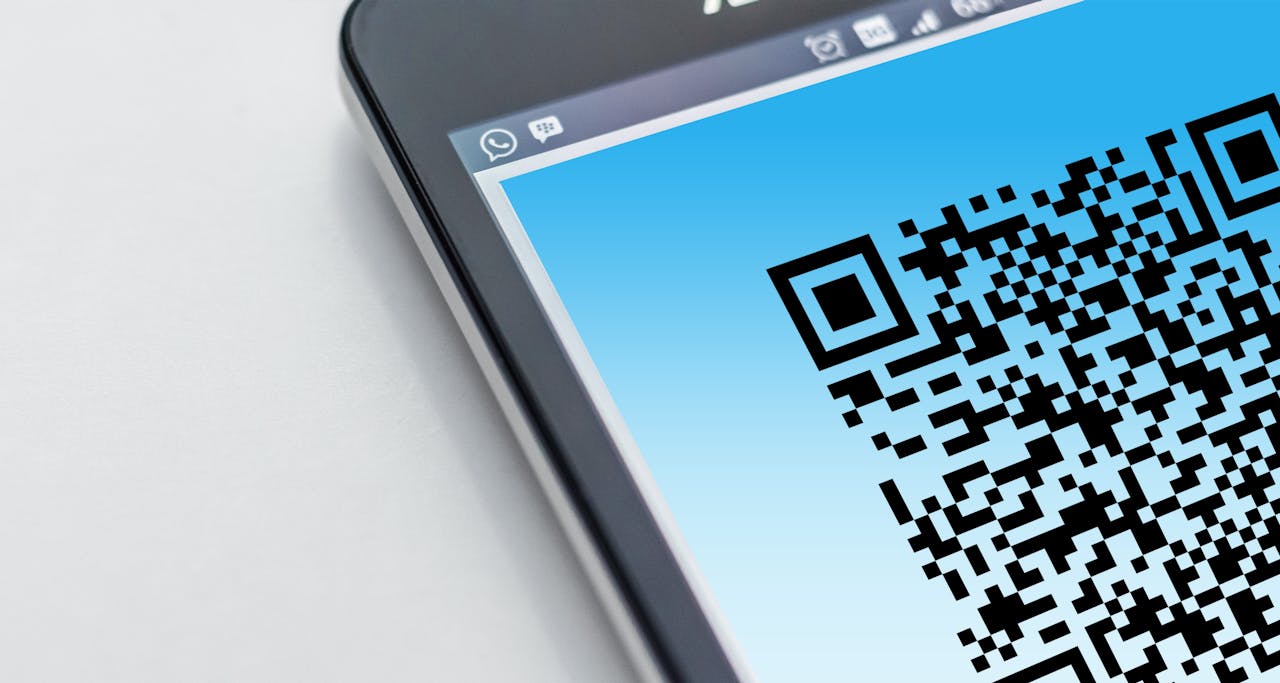 One of the most significant technological influences on modern dog tags is the integration of QR codes. These codes allow users to access detailed information by scanning the tag with a smartphone. Instead of relying solely on limited engraved space, individuals can link the tag to online profiles that contain comprehensive data. This connectivity expands the amount of information available while maintaining a compact physical format. The use of QR codes demonstrates how digital tools enhance accessibility and create a bridge between physical objects and online information systems.
The Role of GPS and Tracking Capabilities
Advancements in tracking technology introduce new features that extend the functionality of dog tags. Some modern tags include GPS capabilities that provide location tracking through connected devices or applications. This feature allows real-time monitoring, which adds a layer of security and awareness. The integration of tracking systems reflects a broader trend of incorporating location-based technology into everyday objects. By combining identification with tracking, modern dog tags offer a more comprehensive approach to information and monitoring.
Enhanced Materials and Manufacturing Techniques
 Technology also influences the materials and production methods used in dog tag manufacturing. Modern processes allow for greater precision in engraving and the use of durable materials that withstand various conditions. Innovations in manufacturing enable the creation of lightweight yet resilient designs that maintain readability over time. These advancements improve both the functionality and longevity of dog tags. The evolution of materials and techniques ensures that the physical component of the tag aligns with its enhanced digital capabilities.
Expanding Personalization Through Digital Tools
Personalization has become more advanced through the use of digital design tools and automated production systems. Individuals can customize dog tags with a wide range of fonts, layouts, and integrated features that reflect personal preferences. Online platforms allow users to design tags that incorporate both visual and functional elements. This level of customization extends beyond traditional engraving, offering a more interactive design process. The influence of technology supports a broader range of personalization options, making dog tags adaptable to different uses and styles.
Technology has significantly transformed modern dog tags by introducing digital connectivity, tracking capabilities, advanced materials, and expanded personalization options. These innovations move dog tags beyond their original role as basic identification tools, integrating them into a more connected and functional system. By combining physical durability with digital features, modern dog tags reflect how technology continues to shape everyday objects. This evolution highlights the ongoing relationship between traditional design and modern innovation.